
Beginner Climbing Tips & Drills for Faster Progress
Start with what looks fun, not with the grade
Whether you’re buying your first day pass or you’ve been climbing for a few months, the gym can feel overwhelming. There are different grades, hold shapes, wall angles, and a lot of strong climbers moving confidently around you.
Instead of letting the numbers on the tags decide what you “should” climb, start with what looks fun. If a route or boulder catches your eye, try it—no matter the grade. Grades are subjective and can vary by gym, setter, and style. When you choose climbs because they look interesting, you’re more likely to experiment, surprise yourself, and discover what your body and mind can actually do.
Build volume and explore different styles
Climbing is a volume-heavy sport: the more you climb, the more comfortable your body becomes on the wall. Especially as a beginner, you’ll learn faster by trying a wide range of holds, wall angles, and movement styles than by obsessing over sending one specific problem.
Mix in different terrain and holds during your session:
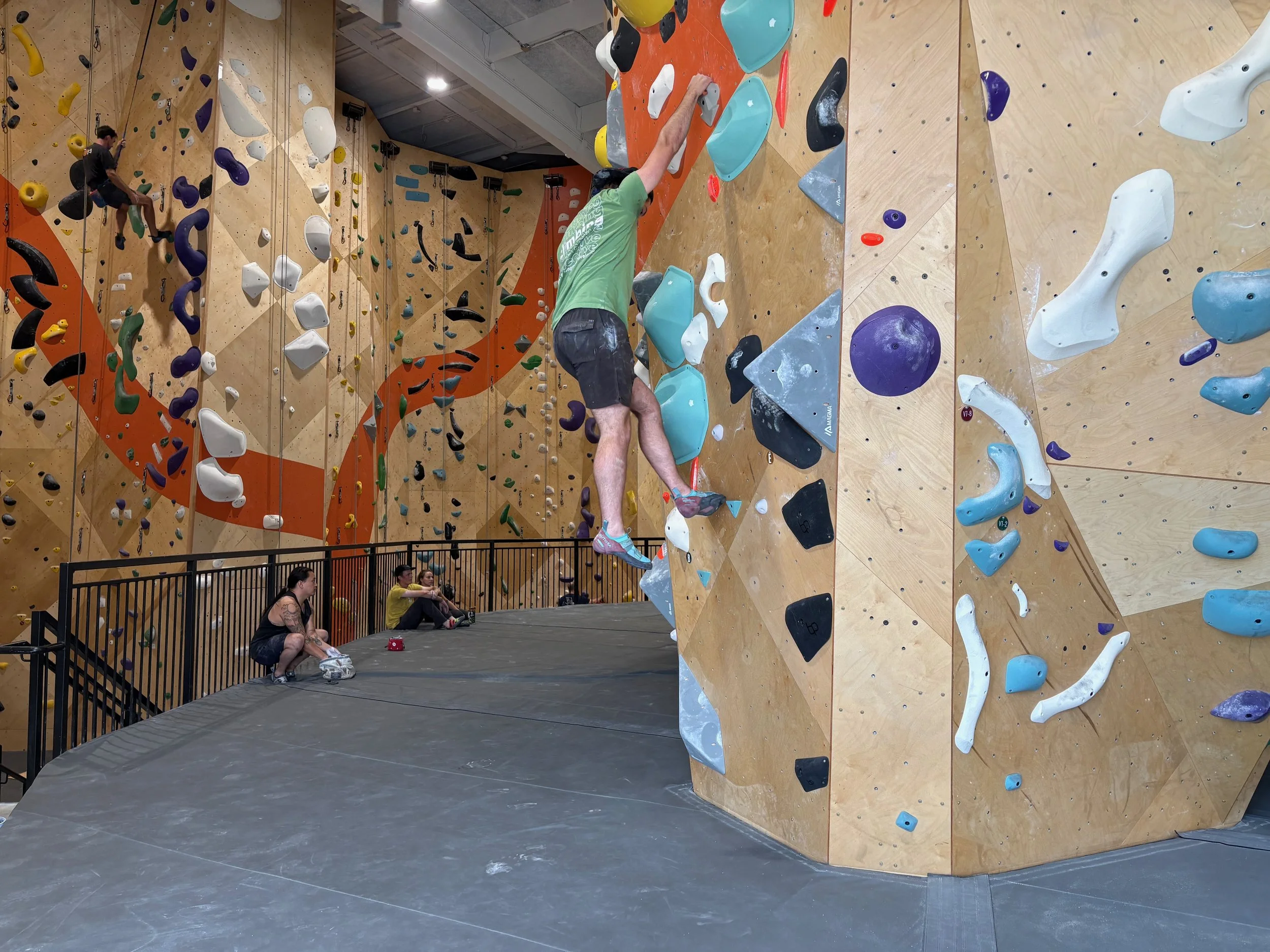
Slopers: Teach you to engage your wrists and use an open-handed grip, which can strengthen your overall contact strength and improve pinches and crimps.
Overhangs: Demand core strength and body tension, helping you stay close to the wall and move with control.
Slab and vertical walls: Emphasize delicate, precise footwork and balance, skills that transfer to every other style of climbing.
As you gain experience, you’ll naturally develop preferences—but keep rotating styles so you build a balanced, resilient body and skill set.
Add simple drills to each session
Drills don’t have to be complicated to be effective. A few intentional habits can quickly level up your technique:
Footwork focus laps: Pick an easy route and climb it slowly, paying attention to quiet, precise feet. Try to place each foot only once.
Downclimbing: When it’s safe, downclimb instead of jumping. This builds control, endurance, and comfort with moving in both directions.
One-skill challenges: On a familiar problem, focus on a single skill—like keeping your hips close to the wall, relaxing your grip, or using straight arms whenever possible.
These mini-drills turn regular climbing into targeted practice without making your session feel like homework.
Respect rest days and recovery
No matter your experience level, it’s tempting to climb as often as possible. But smart rest is what allows your body to get stronger and helps you avoid overuse injuries.
On average, it takes 24–48 hours for your body to fully recover from a hard session, depending on intensity. Building in rest days lets your muscles, tendons, and skin repair so you can come back feeling better—and often climb harder.
If you like to stay active, try active rest:
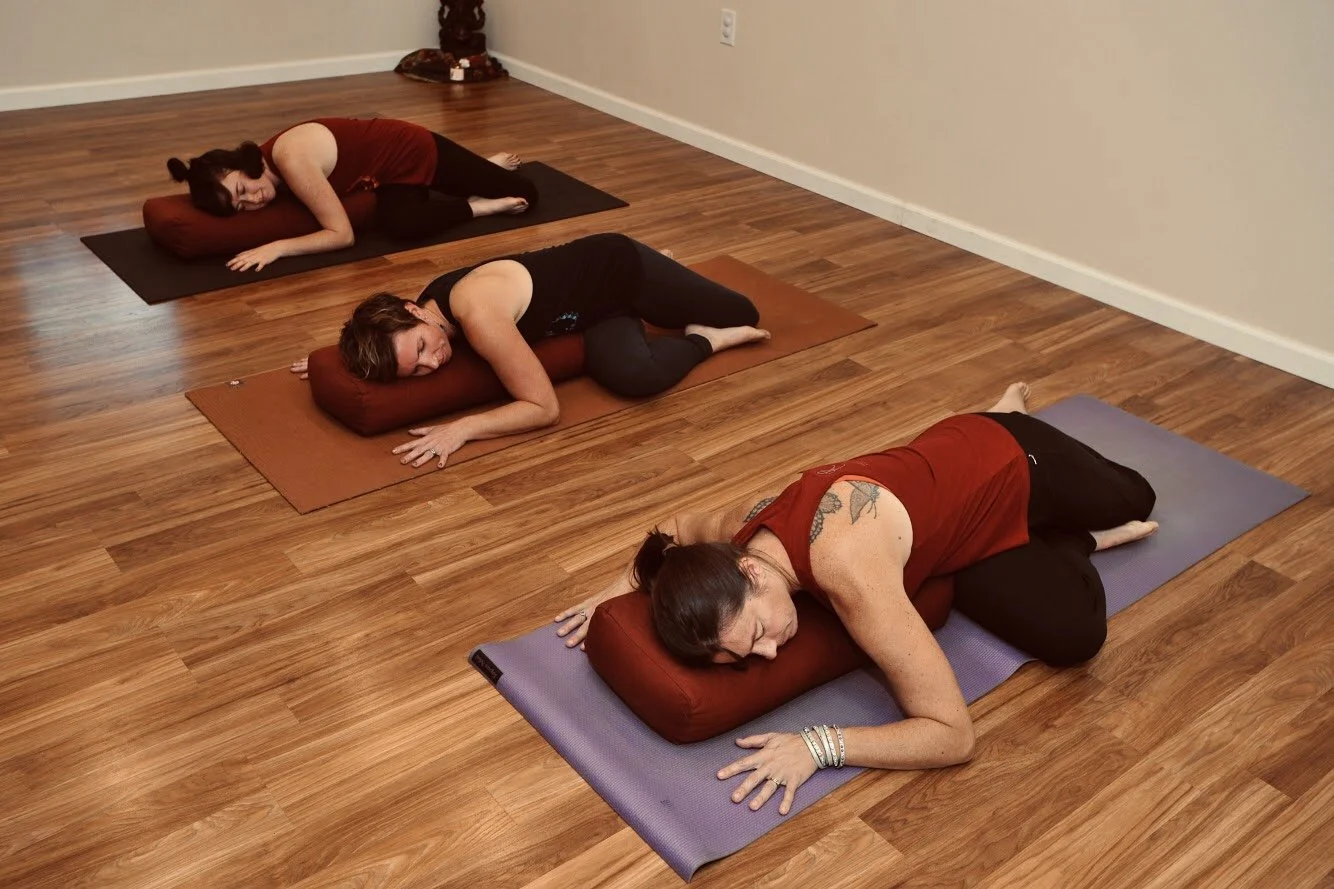
Go for an easy hike or walk
Do a gentle yoga flow
Mix in light strength or mobility work
Try a short, low-impact HIIT session
The goal is to move, increase blood flow, and support recovery without pushing to full effort.
Watch and learn from other climbers
Climbing is a very visual sport. Watching how other climbers move—whether in person or online—can dramatically speed up your understanding of body positioning and technique.
At the gym, spend a few minutes observing strong climbers on problems similar to yours. Notice how they use their feet, shift their hips, and sequence their hands. Online, study pros like Janja Garnbret, Mejdi Schalck, or Kim Jain, whose styles range from explosive and dynamic to smooth and precise.
You’ll also see that climbing is not one-size-fits-all. Athletes like Mori Ai and Colin Duffy are great examples of shorter climbers who adapt with creative beta, whether that means jumping more dynamically or moving in a slower, more static style. Use what you see as a blueprint and then experiment to find what works for your own body.
Embrace the social side and share beta
Climbing is built to be social. There’s a lot of time spent on the ground resting between attempts, which makes it easy to connect with others.
Use that time to:
Cheer on people working on the same problems as you
Ask how someone solved a move that’s shutting you down
Offer your own beta or encouragement when they’re stuck
Your solution might look different from someone else’s—and that’s the beauty of it. Seeing multiple approaches can unlock a new way of looking at your project. Even if you don’t send that day, helping a new friend send theirs can be just as satisfying.
Climbing also makes for great social outings. Grabbing food after a session or planning an outdoor trip with gym friends can turn your climbing community into a real support network and a source of adventure.
Remember your own journey
Most importantly, remember that everyone has their own reasons for climbing and their own pace of progress. Gyms are meant to be judgment‑free spaces where people can challenge themselves, try new things, and have fun.
It’s easy to compare your climbing to others around you, but your only real competition is yesterday’s version of you. Stay grounded in why you climb—whether that’s fitness, stress relief, community, or pure joy—and let that guide your goals.
If you keep showing up, experimenting with new styles, respecting rest, and connecting with the people around you, you’ll keep improving as a climber—and you’ll have a lot of fun along the way.