
Best Yoga Poses Every Climber Should Know
Yoga can be a great addition to a climber’s training. It can support mobility, body awareness, breathing, and recovery—areas that often make a noticeable difference on the wall.
That does not mean yoga replaces climbing-specific practice. If you want to become a better climber, you still need time on the wall. But if you want to move more comfortably, stay more balanced, and build a simple mobility routine you can stick with, a few well-chosen yoga poses can help.
Whether you want better warm-ups, a greater range of motion for high feet and drop knees, or a short recovery flow after a session, these are some of the best yoga poses every climber should know.
Downward Dog
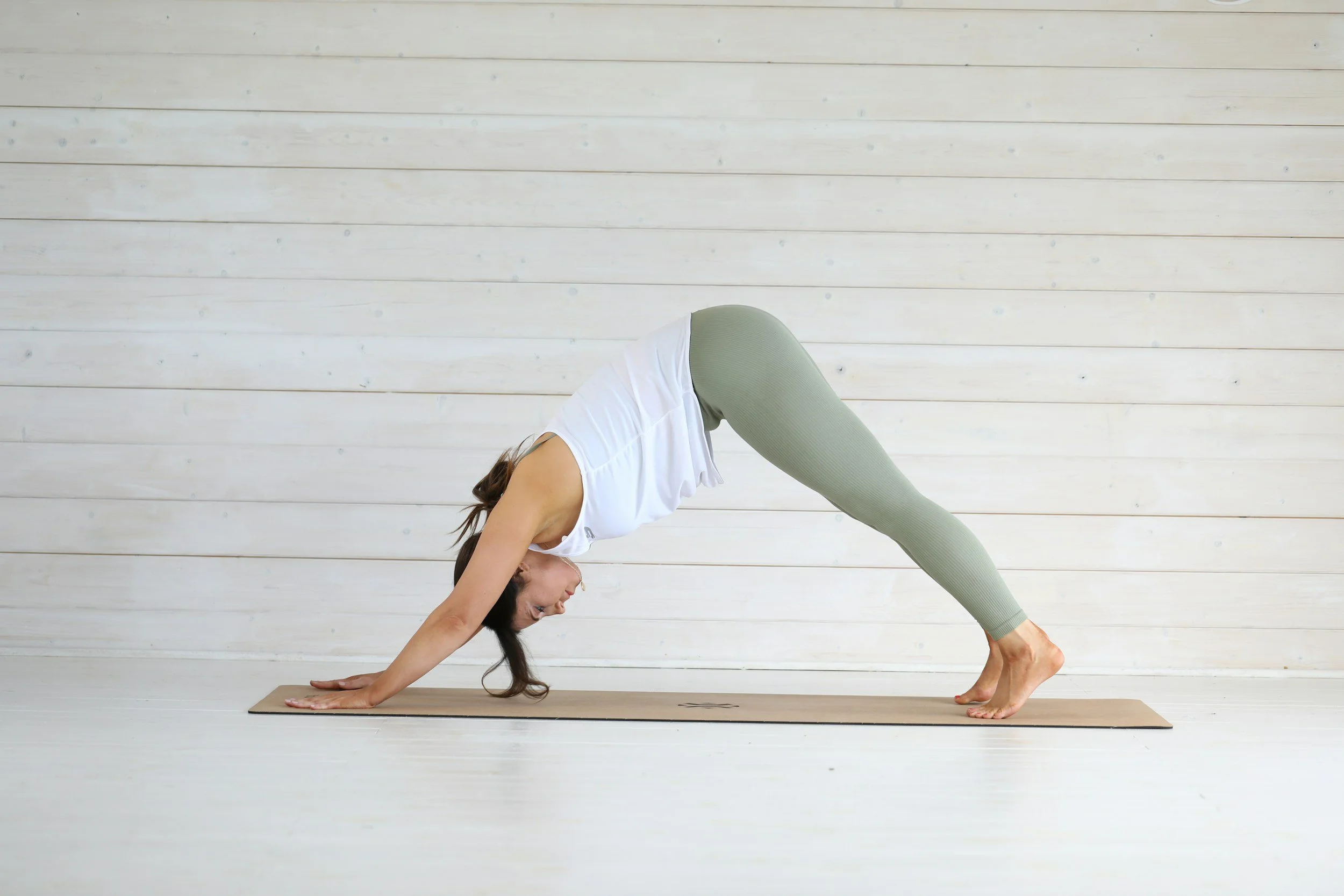
Downward Dog is common for a reason: it does a lot at once. For climbers, it can be a useful way to open the shoulders, lengthen the back side of the body, and introduce light weight-bearing through the hands and wrists.
If your upper body feels tight after climbing, this pose can create a sense of space through the shoulders while also stretching the calves, hamstrings, and back. It can also be a gentle option for reintroducing weight-bearing after a finger or wrist injury—assuming that kind of loading feels appropriate for your current stage of recovery.
Downward Dog is especially useful because it is easy to scale. You can bend your knees, shorten the hold, or pedal through the feet to make it more accessible while still getting value from the position.
Puppy Pose
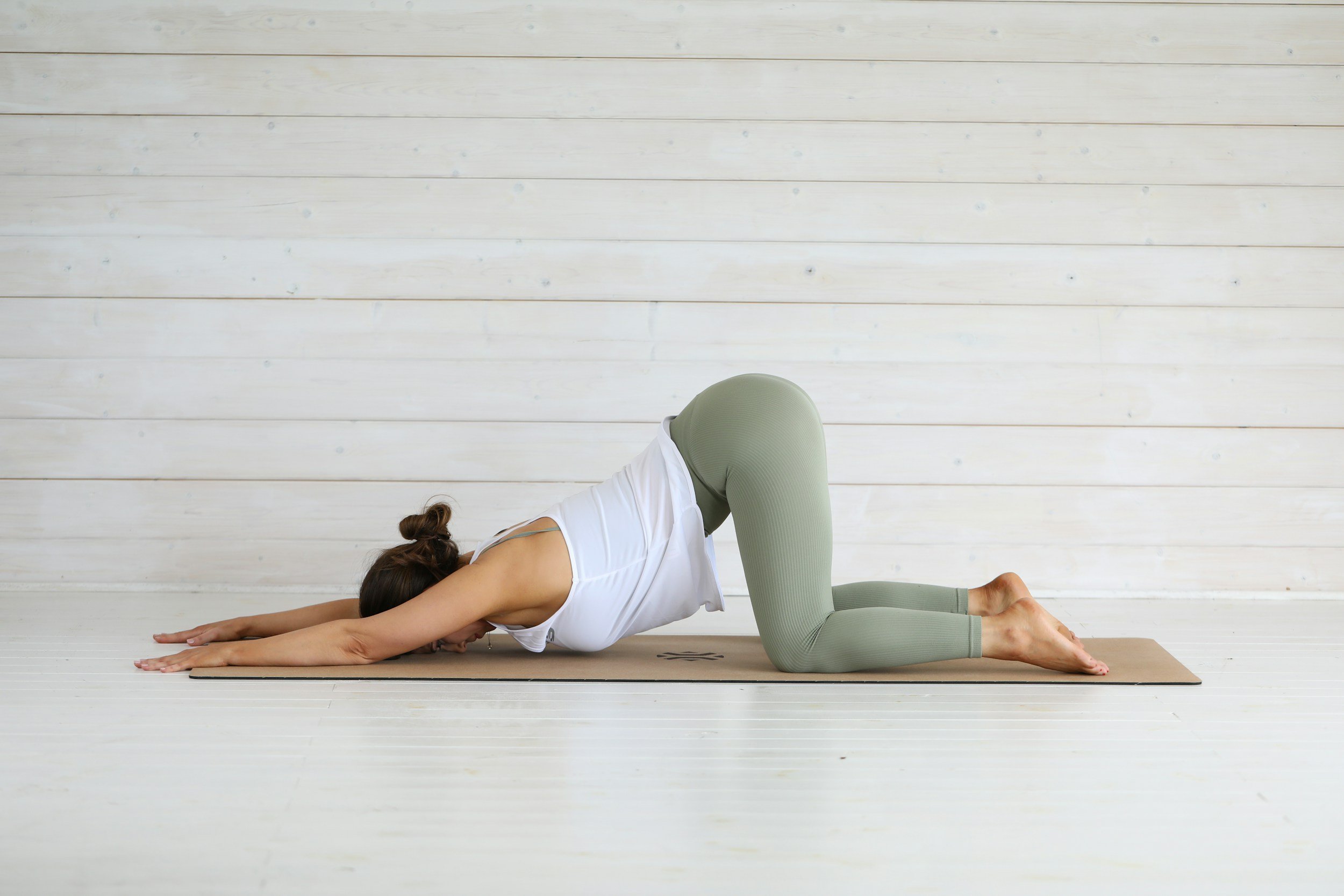
Puppy Pose is a strong complement to Downward Dog because it gives the chest, shoulders, and upper back a slightly different stretch. For climbers who spend long hours at a desk—or who feel rounded forward after a lot of pulling—this pose can feel especially helpful.
It opens the front of the body while also creating a stretch through the spine and shoulders. That combination can make Puppy Pose a good option for climbers who want to improve posture, reduce upper-body stiffness, or add more shoulder-opening work to a mobility routine.
It also pairs well with other shoulder-focused poses like Cat-Cow or Downward Dog, which makes it easy to slot into a short pre- or post-climb sequence.
Lizard Pose
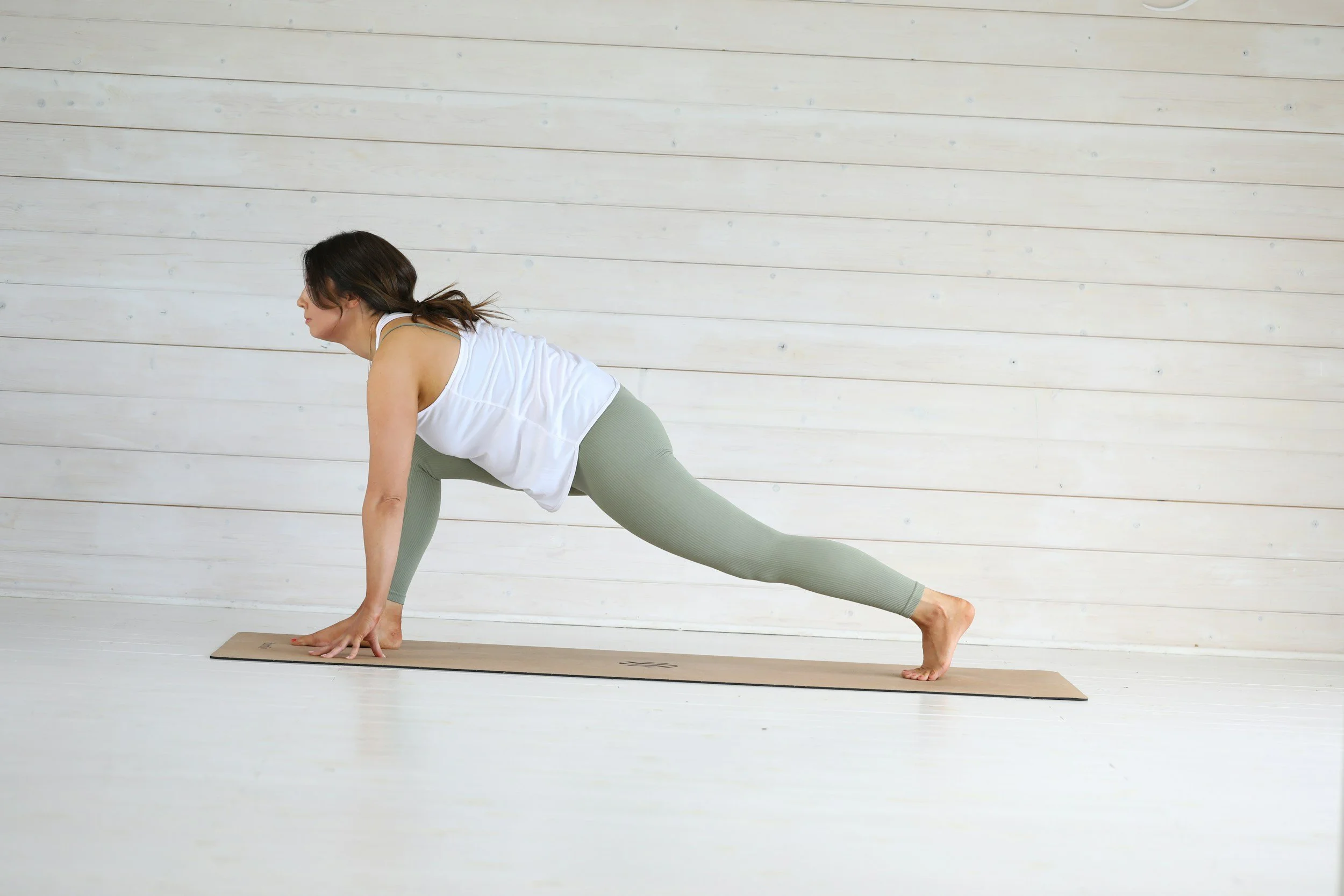
If you want a pose with direct carryover to climbing positions, Lizard Pose is one of the best places to start. It targets the hips, hip flexors, hamstrings, and quads—areas that matter when you are working on high feet, heel hooks, or deep drop-knee positions.
One of the biggest advantages of Lizard Pose is how adjustable it is. You can stay high on your hands for a more accessible variation, drop to your forearms for a deeper stretch, or change the angle slightly to emphasize different parts of the hips and legs.
That makes it useful for a wide range of climbers. If you are trying to move more freely through the hips, improve mobility for awkward positions, or add more lower-body work to your routine, Lizard Pose gives you a lot to work with.
Plank and Side Plank
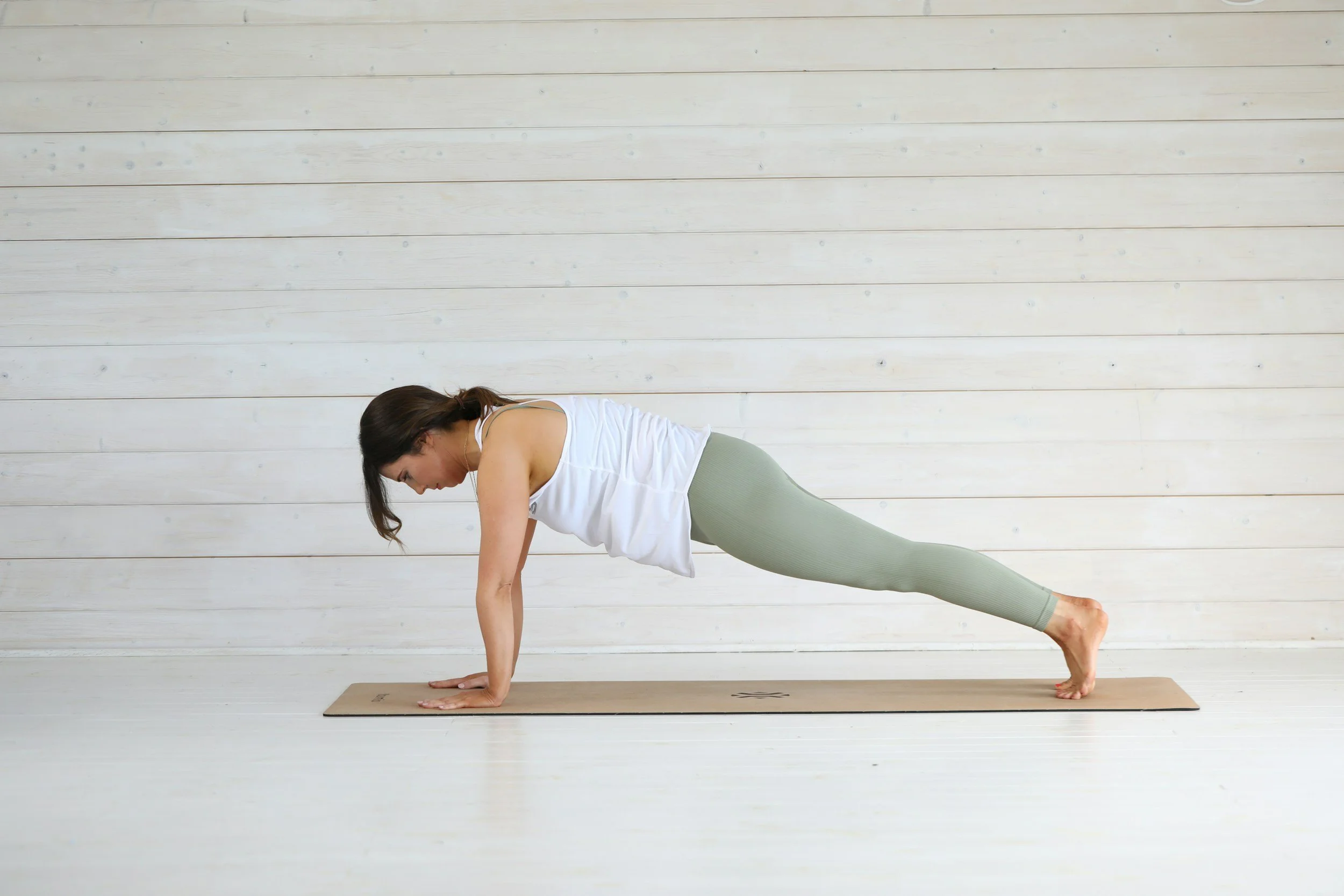
Plank and Side Plank may not feel as “yoga-like” as some other poses, but they are extremely valuable for climbers. Both build the kind of core stability that helps you stay controlled on the wall.
A standard Plank trains tension through the shoulders, chest, and trunk. Side Plank adds another layer by challenging lateral stability and control, which can be helpful in spread positions, deadpoints, toe hooks, and other moves where staying connected through the midline matters.
These poses are also easy to modify. If Side Plank feels too demanding, you can keep one knee on the ground and work on lifting the hips first. If a standard Plank is too much, you can shorten the hold or elevate the hands. That flexibility makes both positions useful whether you are building a foundation or looking for more challenge.
How to Add These Poses to Your Climbing Routine
The biggest key with mobility work is consistency. You do not need a complicated hour-long yoga class to benefit from it. A short routine done regularly will usually help more than an occasional long session.
A simple way to use these poses is to add them to the beginning or end of your climbing session:
Before climbing: use them as part of a warm-up, especially if you want to loosen the shoulders, hips, and trunk.
After climbing: use them to cool down, reduce stiffness, and spend a little more time in positions that climbing often demands.
On rest days: use them as a short mobility session if you like active recovery.
A practical starting point is to work these poses in about three times per week for 15 to 25 minutes per session. You can move from one pose to the next like a flow, or repeat each one for multiple rounds while focusing on breathing, control, and steady positions rather than rushing.
Yoga as a Support Tool
Yoga is not a shortcut to better climbing, but it can be a useful support tool. For climbers, the biggest benefits often come from better shoulder mobility, more open hips, improved trunk stability, and a little more awareness of how the body moves under tension.
If you are dealing with tight shoulders, stubborn hips, or a lack of core control on the wall, Downward Dog, Puppy Pose, Lizard Pose, Plank, and Side Plank are all strong places to start.
The most important part is not finding the “perfect” pose. It is doing the work consistently enough that the benefits have time to show up. Stick with a simple routine, pay attention to how your body responds, and you may start to notice the difference the next time you climb.